Solving Slope Challenges With Turf
Why Slopes Need a Different Approach to Landscaping
Sloped yards present a unique set of problems that flat lawns simply do not. Water runs downhill fast, carrying soil with it. Mowing becomes awkward, sometimes dangerous. Bare patches appear quickly, and grass struggles to root on steep grades. Many homeowners find themselves fighting erosion every rainy season, watching their carefully planted ground cover wash away. Artificial turf offers a practical solution, but installing it on a slope requires more thought than laying it on level ground. The key is understanding how water behaves on an incline and how the turf system works with that movement rather than against it.
Natural grass on a slope often fails because the roots cannot hold the soil firmly enough during heavy rain. The turf itself may grow unevenly, and the constant runoff prevents moisture from soaking in where it is needed. With synthetic turf, the surface stays green without watering, but the underlying structure must handle drainage and stability. This is where proper preparation makes all the difference. Without a solid base and adequate drainage, even the best turf can shift or pool water at the bottom of the slope.
How Water Flows Under Turf on a Slope
The most important factor in any sloped installation is drainage. Water will always follow gravity, so the system beneath the turf must channel that flow away from the house and out of the yard. A typical installation starts with a compacted base layer of crushed rock or gravel. This material creates a porous foundation that allows water to pass through quickly. On a slope, the base layer also needs to be thick enough to prevent the turf from shifting. A minimum of three to four inches of compacted aggregate is common, though steeper slopes may require more.
Above the base, a drainage layer is often added. This can be a specialized fabric or a geotextile that allows water to pass while preventing soil from mixing with the gravel. Without this separation, fine particles can clog the drainage layer over time, reducing its effectiveness. The turf itself has perforations that let water drain through, but on a slope, the water must have a clear path out. Some installations use perforated pipes at the bottom of the slope to collect runoff and direct it to a drain or dry well. This is especially important if the slope ends near a foundation or paved surface.
Keeping Turf in Place on a Steep Grade
Anchor points are critical on any sloped installation. Turf can creep downhill over time if it is not securely fastened. The most common method uses galvanized steel landscape staples or sod staples driven through the edges of the turf into the base layer. On steeper slopes, installers may also use a wooden or metal perimeter frame that the turf is nailed into. This creates a positive stop that prevents any movement. Another technique involves cutting the turf into smaller sections and securing each piece individually, which reduces the tension on any single anchor point.
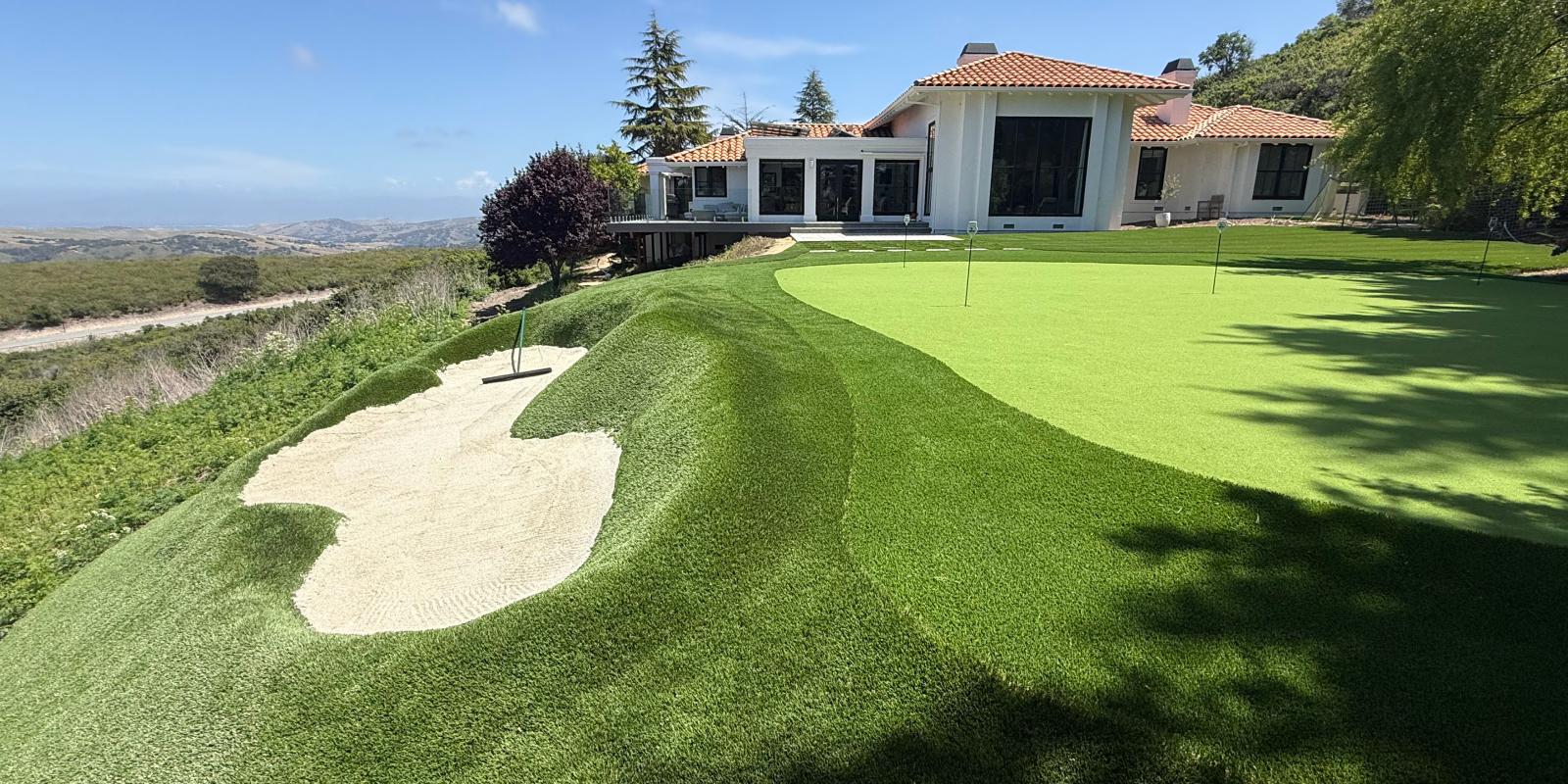
The type of infill material also affects stability. On slopes, heavier infill helps weigh down the turf and keeps the fibers upright. Silica sand is a standard choice because it is dense and does not wash away easily. Some installations use a mix of sand and rubber granules, though rubber is lighter and may not provide as much ballast. The infill must be brushed into the fibers evenly, and on a slope, it tends to settle toward the bottom. This means installers often apply slightly more infill at the top of the slope to compensate for natural migration over time. Periodic brushing can redistribute the infill and keep the turf looking consistent.
Erosion Control and Underlayment
Before the turf goes down, the slope itself may need reinforcement. Erosion control fabric or landscape fabric can be laid over the soil before the base layer. This fabric holds the soil in place while still allowing water to seep through. On very steep banks, some projects install a grid or mat system that physically locks the soil in place. These grids are often made of recycled plastic and are filled with gravel or sand before the turf is laid on top. The result is a stable surface that resists sliding even during heavy storms.
The combination of erosion control fabric, a thick base layer, and proper anchoring creates a system that can handle years of rain and foot traffic. It is worth noting that slopes facing direct sunlight will heat up more than flat areas, so choosing a turf with lighter colors or heat-reflective technology can help keep the surface comfortable. Some turf products are designed specifically for slopes, with shorter blades and denser backing that resist wrinkling.
Practical Considerations for Pets and Play
If the slope is part of a yard where dogs run or children play, the installation needs extra attention. Pet turf on a slope requires the same drainage and anchoring as any other installation, but the infill should be antimicrobial and non-toxic. Some pet owners prefer a silica sand infill that is treated to resist odors. The turf itself should have a permeable backing that allows urine to drain through rather than pooling on the surface. On a slope, the natural incline helps with drainage, but a perforated drain pipe at the bottom may still be necessary to prevent standing water from accumulating.
For play areas, the turf should have a soft enough pile height to cushion falls, but not so long that it mats down easily. A pile height of around one and a half inches is common for slopes because it provides a natural look without creating too much drag on water flow. The infill can also be chosen for impact absorption, though on a slope the primary concern remains stability. A well-installed synthetic turf on a slope can provide a safe, low-maintenance surface that stays green year-round.
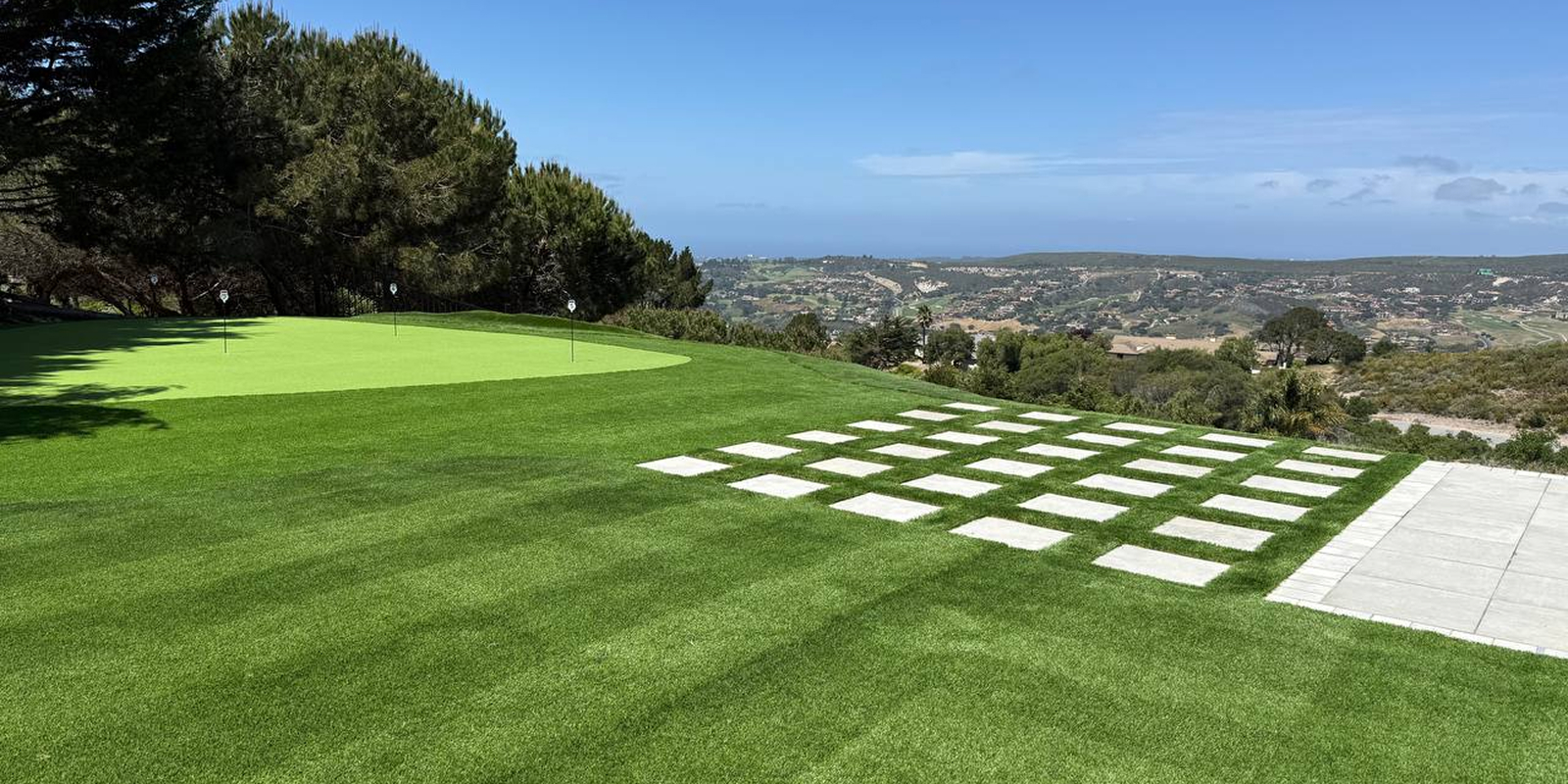
One of the main benefits of using artificial grass for slopes is the elimination of mowing. On a steep grade, pushing a mower is not only difficult but dangerous. The turf never needs trimming, watering, or fertilizing. This makes it an attractive option for homeowners who want a usable yard without the constant upkeep. However, the initial installation must be done correctly to avoid problems later. A poorly anchored turf on a slope can become a tripping hazard or develop wrinkles that collect debris.
Designing With Slopes in Mind
The visual appeal of a sloped yard can be enhanced by the right turf choice. Longer blades create a lush, natural look, but they require more infill and may hold moisture longer. Shorter blades are more practical on steep grades because they shed water faster and are less likely to mat down. Some homeowners choose a multi-toned turf with tan and green fibers to mimic natural grass, which can soften the appearance of a large slope. The edges of the turf should be tucked into a border or secured with a metal edging strip to keep the line clean.
Lighting is another consideration. A slope that faces south or west will receive intense afternoon sun. The turf can become hot to the touch, especially if it is dark green. Lighter shades or turf with a built-in cooling technology can reduce surface temperature. Some manufacturers offer turf with a specialized coating that reflects infrared radiation, keeping the surface cooler on hot days. This is worth asking about if the slope is in a sunny location.
Long-Term Maintenance on a Slope
While synthetic turf requires far less maintenance than natural grass, it is not maintenance-free. On a slope, debris like leaves and twigs tend to collect at the bottom. Regular raking or blowing keeps the surface clean and prevents organic matter from breaking down into the infill. The turf fibers can be brushed occasionally to keep them standing upright, especially near the bottom of the slope where infill may accumulate. Every year or two, the infill may need to be topped up to maintain the proper ballast and cushioning.
Weeds can still find their way through the seams or edges of the turf, particularly on a slope where wind-blown seeds settle. A pre-emergent herbicide applied along the perimeter can help, but many homeowners simply pull the occasional weed by hand. The landscape fabric beneath the turf blocks most growth, but seams and edges are vulnerable. Sealing the seams with adhesive and ensuring the turf is tightly stretched minimizes these gaps.
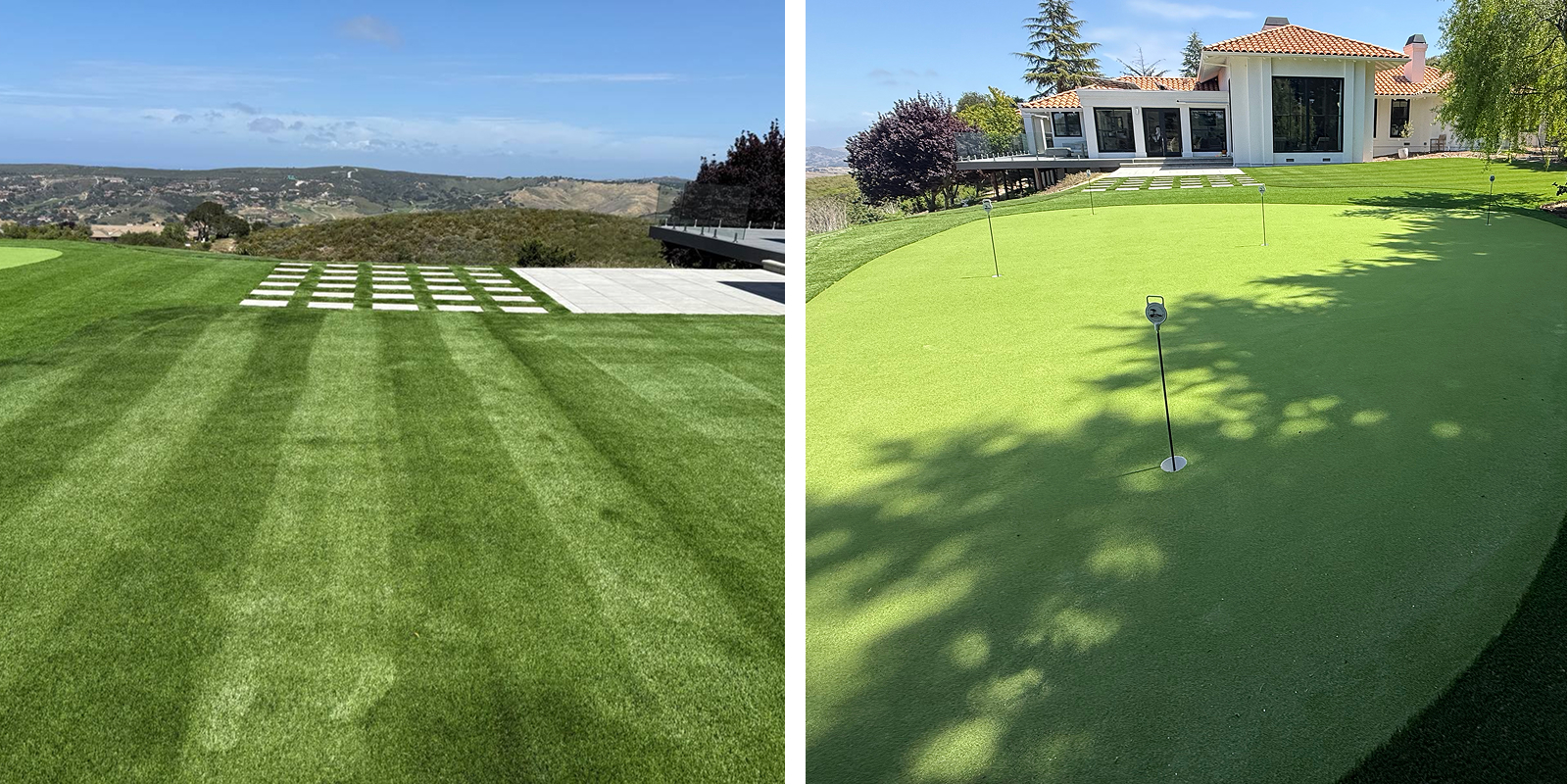
For homeowners considering a switch to synthetic turf, the decision often comes down to the specific challenges of their property. A flat lawn is straightforward, but a slope introduces variables that require careful planning. The investment in proper base preparation, drainage, and anchoring pays off over the life of the turf. A well-installed system can last fifteen years or more with basic care.
Using artificial grass for slopes is not just about convenience. It is a practical response to a difficult landscaping condition. The turf holds the soil, stops erosion, and provides a usable surface that would otherwise be wasted. Whether the slope is a backyard hill, a roadside embankment, or a drainage swale, the same principles apply: control the water, anchor the turf, and choose materials that suit the grade. With the right approach, a slope can become one of the most durable and attractive parts of the landscape.